Investing wisely means looking beyond traditional stocks and bonds. Commodities and precious metals offer unique opportunities to strengthen your portfolio and protect wealth against economic uncertainty.

🌟 Why Commodities Deserve a Place in Your Investment Strategy
The investment landscape has evolved dramatically over the past decades, yet many investors still overlook one of the most fundamental asset classes: commodities. These tangible assets represent the building blocks of our global economy, from the energy that powers our vehicles to the metals that construct our buildings and technology.
Commodities serve as a hedge against inflation, a diversification tool, and a potential profit center during specific economic cycles. When paper assets falter, physical commodities often maintain or increase their value, providing a critical safety net for savvy investors.
Understanding the role of commodities in your investment portfolio requires examining how these assets behave differently from stocks and bonds. Their prices respond to supply and demand fundamentals, geopolitical events, weather patterns, and production costs rather than corporate earnings or interest rate decisions alone.
💎 The Timeless Appeal of Precious Metals
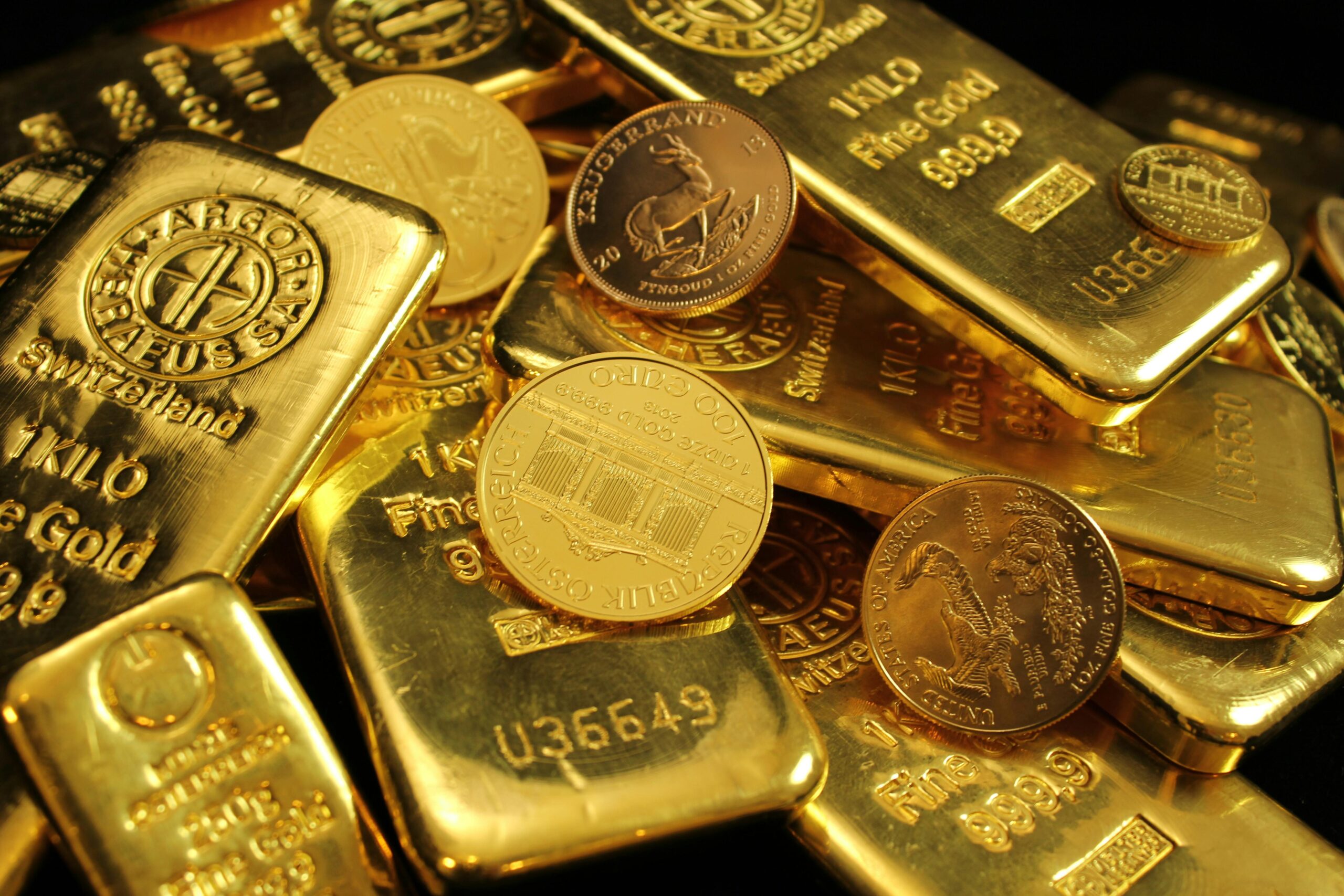
Gold, silver, platinum, and palladium have captivated humanity for millennia. These precious metals transcend their decorative and industrial uses to serve as stores of value and alternative currencies during times of economic distress.
Gold remains the cornerstone of precious metal investments. Central banks worldwide hold substantial gold reserves, recognizing its role as a monetary anchor. When currency values decline or geopolitical tensions rise, gold typically appreciates as investors seek safe havens for their capital.
Silver offers both monetary and industrial appeal. Its extensive use in electronics, solar panels, medical devices, and photography creates demand independent of investment trends. This dual nature often results in greater price volatility than gold, presenting opportunities for traders and long-term investors alike.
Platinum and palladium serve critical roles in automotive catalytic converters, making their prices sensitive to vehicle production levels and emissions standards. These metals often trade at premiums to gold during periods of strong industrial demand, offering diversification within the precious metals category.
Strategic Allocation Strategies for Precious Metals
Financial advisors typically recommend allocating 5-15% of your portfolio to precious metals, depending on your risk tolerance and investment objectives. Conservative investors might lean toward the lower end, while those seeking inflation protection during uncertain times might increase exposure.
Physical ownership through coins, bars, or jewelry provides direct control but requires secure storage and insurance. Exchange-traded funds (ETFs) offer convenient exposure without storage concerns, while mining stocks provide leveraged plays on metal prices with additional corporate risks and rewards.
🛢️ Energy Commodities: Fueling Portfolio Performance
Energy commodities represent the lifeblood of modern civilization. Crude oil, natural gas, heating oil, and gasoline influence virtually every sector of the economy, making them powerful portfolio diversifiers.
Oil prices respond to OPEC production decisions, geopolitical conflicts, technological advances in extraction, and shifts in global consumption patterns. The transition toward renewable energy adds complexity to long-term oil forecasts, creating both risks and opportunities for astute investors.
Natural gas serves as a cleaner alternative to coal for electricity generation and heating. Regional price differences between North America, Europe, and Asia create unique trading opportunities, while seasonal demand patterns offer predictable volatility cycles.
Investing in energy commodities requires understanding supply chains, storage costs, and contango or backwardation in futures markets. These technical factors significantly impact returns, making education essential before committing capital.
🌾 Agricultural Commodities: Growing Your Wealth
Food and fiber production represents one of humanity’s most essential activities. Agricultural commodities including wheat, corn, soybeans, coffee, sugar, and cotton offer exposure to global population growth, dietary shifts, and climate change impacts.
Weather patterns dominate short-term price movements in agricultural markets. Droughts, floods, or perfect growing conditions can dramatically affect annual production, creating price spikes or crashes that reward well-timed investments.
Long-term demographic trends favor agricultural commodities. Rising populations in developing nations increase food demand, while dietary improvements toward protein-rich diets boost demand for animal feed grains. Climate change introduces uncertainty but also potential premium pricing for successful harvests.
Soft commodities like coffee, cocoa, and sugar respond to different supply-demand dynamics than grains. These tropical crops grow in specific regions, making them vulnerable to localized weather events, political instability, and disease outbreaks that create volatile but potentially profitable trading conditions.
Seasonal Patterns and Trading Opportunities
Agricultural commodities exhibit strong seasonal patterns tied to planting and harvest cycles. Understanding these rhythms helps investors time entries and exits more effectively, potentially enhancing returns while managing risk.
Planting season uncertainty typically elevates prices as markets price in weather risks. Post-harvest periods often see price declines as supply floods markets, unless production disappoints expectations. These predictable cycles reward disciplined traders who plan positions around agricultural calendars.
🏗️ Industrial Metals: Building Blocks of Economic Growth
Copper, aluminum, zinc, nickel, and other industrial metals serve as economic barometers. Their prices rise during expansion phases when construction and manufacturing accelerate, and fall during recessions when industrial activity contracts.
Copper’s nickname “Dr. Copper” reflects its reputation for diagnosing economic health. Extensive use in electrical wiring, plumbing, and electronics makes copper demand highly sensitive to GDP growth, infrastructure spending, and housing construction.
The electric vehicle revolution dramatically increased demand for battery metals including lithium, cobalt, and nickel. This structural shift creates long-term bullish scenarios for these materials, though price volatility remains significant as new supply sources develop.
Aluminum production requires tremendous energy inputs, linking its profitability to electricity costs. This dynamic creates regional price variations and makes aluminum prices sensitive to energy costs, particularly in markets dependent on fossil fuel generation.
📊 Building a Balanced Commodity Portfolio
Successful commodity investing requires diversification across sectors to manage risk while capturing upside potential. A balanced approach might include precious metals for stability, energy for inflation protection, agricultural commodities for population growth exposure, and industrial metals for economic expansion plays.
Your specific allocation depends on market conditions, economic outlook, and personal circumstances. During inflationary periods, increasing commodity exposure makes sense as these hard assets tend to appreciate. During deflationary environments, reducing exposure and favoring cash or fixed income instruments typically proves wiser.
Rebalancing regularly ensures your commodity allocation remains appropriate as prices fluctuate. Setting target percentages and adjusting when positions drift significantly from targets enforces disciplined buying low and selling high rather than chasing performance.
Investment Vehicles for Commodity Exposure
Multiple pathways exist for gaining commodity exposure, each with distinct advantages and drawbacks:
- Physical ownership: Direct control and no counterparty risk, but storage costs and security concerns
- Futures contracts: Leveraged exposure and precise positioning, but complexity and rollover costs
- ETFs and ETNs: Convenient access and liquidity, but management fees and tracking errors
- Mining and production stocks: Leveraged exposure to commodity prices, but corporate-specific risks
- Mutual funds: Professional management and diversification, but higher fees and less control
- Commodity-linked bonds: Income generation with commodity exposure, but limited upside participation
⚠️ Understanding the Risks in Commodity Investing
Commodities carry unique risks distinct from traditional securities. Price volatility often exceeds that of stocks and bonds, creating potential for substantial gains or losses over short periods. Leverage in futures markets amplifies both profits and losses, making risk management essential.
Contango and backwardation in futures markets can erode returns even when spot prices move favorably. Understanding these term structure effects and their impact on rolling futures positions separates successful commodity investors from disappointed ones.
Geopolitical events can cause sudden, dramatic price movements. Supply disruptions from conflicts, sanctions, or natural disasters create price spikes, while diplomatic resolutions or new production sources can trigger crashes. Staying informed about global developments helps manage these risks.
Storage costs and physical degradation affect certain commodities, particularly agricultural products. These carrying costs create negative roll yields in futures markets during normal market conditions, requiring strong directional moves to generate positive returns.
🌍 Global Economic Factors Driving Commodity Prices
Currency movements significantly impact commodity prices since most trade in U.S. dollars. Dollar strength typically pressures commodity prices lower as they become more expensive for foreign buyers, while dollar weakness tends to support higher prices.
Central bank policies influence commodity markets through interest rates and money supply. Expansionary monetary policies typically benefit commodities by increasing inflation expectations and providing liquidity for speculative positions. Tightening cycles often pressure commodity prices as economic activity slows.
Emerging market growth drives long-term commodity demand. China’s infrastructure boom created unprecedented demand for industrial metals and energy over the past two decades. India, Southeast Asia, and Africa represent the next frontiers of consumption growth, supporting bullish long-term commodity scenarios.
Technological innovations constantly reshape commodity markets. Fracking revolutionized energy markets by unlocking previously uneconomical oil and gas reserves. Similarly, advances in battery technology, renewable energy, and materials science create winners and losers across commodity sectors.
💡 Practical Steps to Start Commodity Investing Today
Begin your commodity investing journey by educating yourself on market fundamentals, price drivers, and investment vehicles. Numerous resources including books, online courses, and financial websites provide valuable information for beginners.
Start small with limited capital while you learn market dynamics. Paper trading or minimal position sizes allow experimentation without risking substantial wealth. As knowledge and confidence grow, gradually increase allocation to match your strategic targets.
Consider consulting with financial advisors experienced in commodity markets. Their expertise can help navigate complex products, avoid common pitfalls, and structure portfolios appropriate for your unique circumstances and goals.
Monitor positions regularly but avoid overtrading based on short-term noise. Commodities experience significant volatility, and successful investing requires discipline to maintain strategic positions through inevitable drawdowns and market turbulence.
🎯 Maximizing Returns Through Tactical Adjustments
While strategic allocation provides the foundation, tactical adjustments based on market conditions can enhance returns. Increasing energy exposure when geopolitical tensions rise or boosting agricultural positions before adverse weather patterns develop represents tactical positioning.
Seasonal patterns offer tactical opportunities in agricultural and energy markets. Natural gas typically strengthens heading into winter as heating demand increases. Grains often rally during growing seasons when weather uncertainties create risk premiums.
Momentum and trend-following strategies work particularly well in commodity markets due to their tendency toward sustained directional moves. Once trends establish, they often persist longer than in equity markets, rewarding patient investors who ride winners.
Mean reversion strategies capitalize on commodity price cycles. When prices reach extreme highs or lows relative to historical ranges, counter-trend positions often prove profitable as markets eventually revert toward equilibrium levels.
🔮 Future Outlook for Commodity and Precious Metal Investing
The energy transition toward renewables will reshape commodity markets over coming decades. While fossil fuel demand may plateau or decline, metals required for solar panels, wind turbines, batteries, and electric vehicles will experience structural bull markets.
Climate change creates both risks and opportunities across commodity sectors. Agricultural patterns will shift, potentially reducing yields in traditional growing regions while opening new areas. Extreme weather events may increase price volatility, creating challenges for producers and opportunities for traders.
Geopolitical fragmentation and efforts to secure domestic supply chains will influence commodity flows. Countries seeking independence from rivals may pay premiums for friendly sources, creating regional price differentials and arbitrage opportunities.
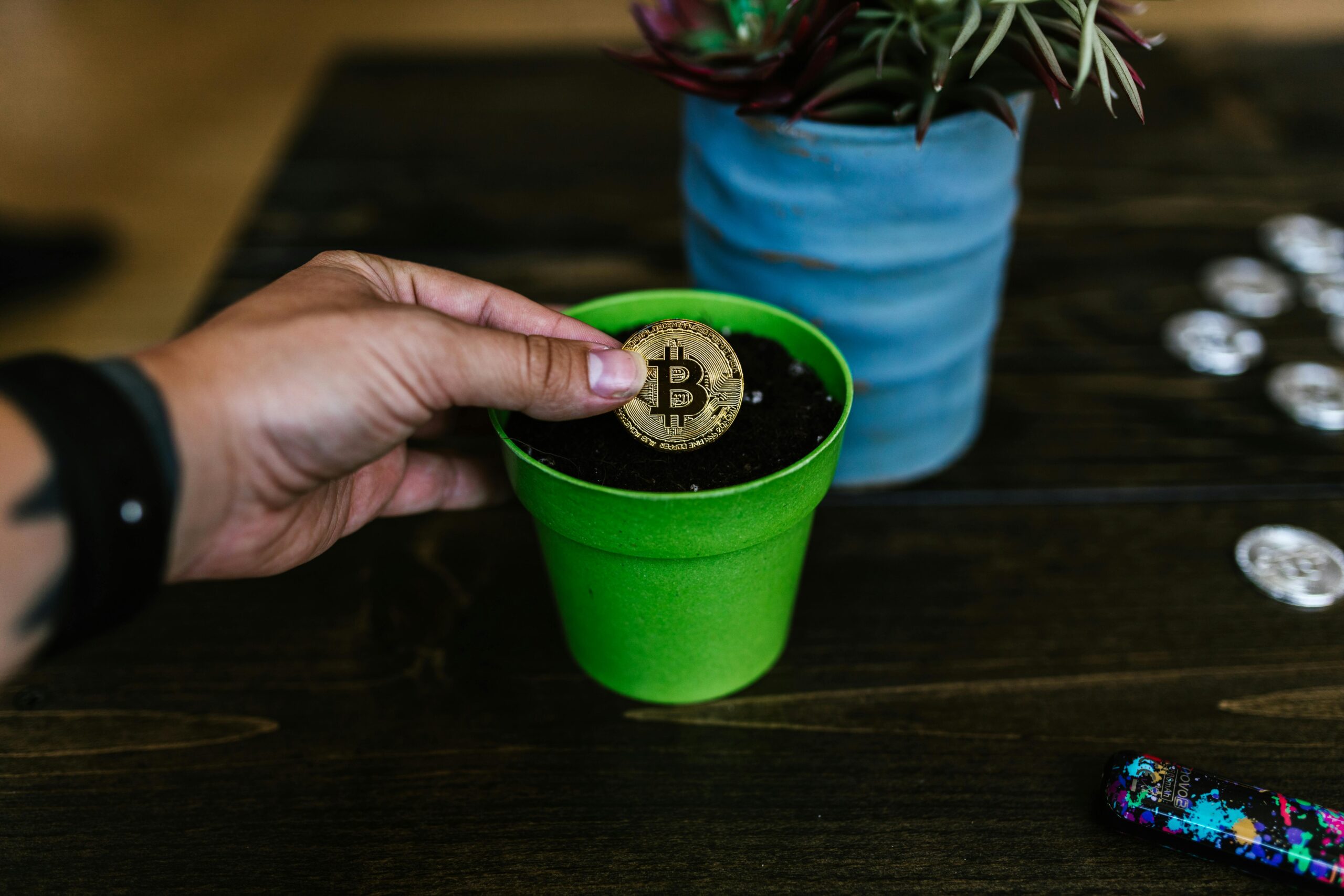
Precious metals will likely maintain their monetary roles despite cryptocurrency competition. Gold’s thousands of years as a store of value and its lack of counterparty risk provide unique advantages that digital currencies cannot fully replicate, particularly during systemic crises.
🚀 Taking Action: Your Path to Diversified Prosperity
Commodities and precious metals represent essential components of truly diversified investment portfolios. Their unique characteristics, low correlations with traditional assets, and inflation protection qualities make them valuable regardless of market conditions.
Success requires education, discipline, and patience. Markets will fluctuate, sometimes dramatically, but maintaining strategic positions through volatility allows you to capture the long-term benefits these asset classes provide.
Start your commodity investing journey today by assessing your current portfolio allocation, identifying gaps, and determining appropriate commodity exposure based on your financial goals and risk tolerance. The path to diversified prosperity begins with that first step toward broader asset class participation.
Remember that commodities should complement rather than dominate your portfolio. They work best as part of a comprehensive investment strategy that includes stocks, bonds, real estate, and other assets appropriate for your unique circumstances.
The power of commodities and precious metals lies not in replacing traditional investments but in enhancing portfolio resilience, capturing unique return sources, and protecting wealth across varying economic environments. Embrace these time-tested assets and unlock their potential to help you achieve lasting financial success.