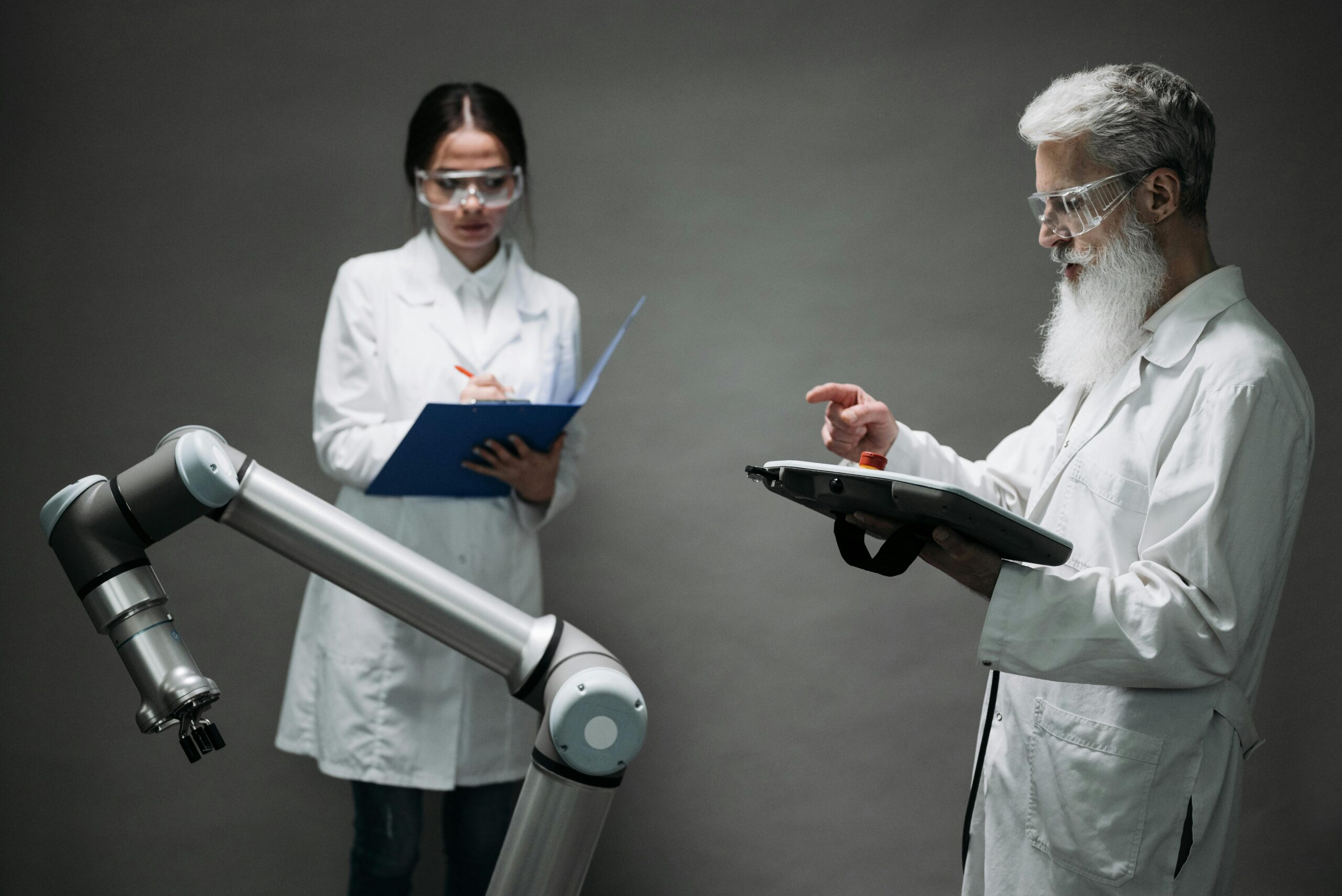
Technology and automation are no longer distant concepts but driving forces reshaping how economies function, businesses operate, and nations compete on the global stage. 📊

The Digital Revolution Transforming Economic Foundations
We’re witnessing an unprecedented transformation in the global economic landscape, where digital technologies and automated systems are fundamentally altering traditional business models. This revolution extends far beyond simple mechanization; it represents a complete reimagining of how value is created, distributed, and consumed across markets worldwide.
The integration of artificial intelligence, machine learning, robotics, and cloud computing has created an ecosystem where efficiency gains are no longer incremental but exponential. Companies that once required thousands of employees to manage operations can now achieve the same output with a fraction of the workforce, while simultaneously improving accuracy and reducing costs.
This technological shift is democratizing access to global markets. Small businesses in developing nations can now compete with established corporations, leveraging automation tools that were once exclusively available to large enterprises. The result is a more dynamic, competitive, and interconnected global economy that rewards innovation and agility over size and legacy.
Manufacturing Renaissance Through Smart Automation 🏭
The manufacturing sector exemplifies how automation is revolutionizing economic productivity. Modern factories employ collaborative robots (cobots), IoT sensors, and predictive maintenance systems that optimize production lines in real-time. These technologies have reduced downtime, minimized waste, and increased output quality to unprecedented levels.
Countries that have embraced Industry 4.0 principles are experiencing manufacturing renaissances. Germany’s Mittelstand companies, Japan’s precision manufacturers, and China’s tech-driven factories demonstrate how automation can revitalize industrial sectors previously threatened by offshoring and competition.
The economic implications are profound. Automated manufacturing reduces the cost advantage of low-wage countries, encouraging reshoring and nearshoring strategies. Companies are relocating production closer to end markets, reducing supply chain vulnerabilities while maintaining competitive pricing through automation-driven efficiency.
Reshaping Labor Markets and Skills Demand
Automation’s impact on employment represents one of the most debated aspects of this technological revolution. While certain routine jobs face displacement, new categories of employment are emerging rapidly. The demand for data scientists, AI specialists, automation engineers, and digital transformation consultants has skyrocketed.
Progressive economies are responding by investing heavily in reskilling programs and educational reforms. Singapore’s SkillsFuture initiative, Estonia’s digital education framework, and Sweden’s lifelong learning programs exemplify how nations can prepare workforces for automation-driven economies.
The skills gap remains a significant challenge. Organizations worldwide report difficulties finding qualified candidates for technology-related positions, creating wage premiums for those with relevant expertise. This dynamic is reshaping income distribution patterns and emphasizing the importance of continuous learning in modern careers.
Financial Services: Automation’s Most Transformed Sector 💳
Few industries have experienced automation’s impact as dramatically as financial services. Algorithmic trading, robo-advisors, automated underwriting, and blockchain-based settlements have revolutionized how financial institutions operate.
Banks that once employed armies of tellers, loan processors, and back-office staff now operate primarily through digital channels. Mobile banking applications, powered by sophisticated automation, provide 24/7 service at a fraction of traditional costs. This transformation has improved financial inclusion, bringing banking services to previously underserved populations in developing nations.
Fintech startups leverage automation to challenge established financial institutions, offering faster, cheaper, and more accessible services. Payment processing, lending, insurance, and investment management have all been disrupted by companies built on automation-first principles.
Blockchain and Decentralized Finance Revolution
Blockchain technology represents automation’s cutting edge in finance, enabling trustless transactions without intermediaries. Smart contracts automatically execute agreements when predetermined conditions are met, eliminating delays and reducing counterparty risk.
Decentralized finance (DeFi) platforms use automated market makers and liquidity pools to facilitate trading, lending, and yield generation without traditional financial intermediaries. While regulatory frameworks are still evolving, the economic potential of programmable money and automated financial systems is undeniable.
Supply Chain Optimization Through Intelligent Systems 📦
Global supply chains have become incredibly complex networks requiring sophisticated coordination. Automation technologies now provide end-to-end visibility, predictive analytics, and automated decision-making that optimize inventory, routing, and logistics.
Amazon’s fulfillment centers showcase automation’s potential, where robots move products, algorithms optimize placement, and automated systems coordinate millions of daily shipments. This efficiency allows next-day or same-day delivery at prices that would have been impossible with manual processes.
The COVID-19 pandemic highlighted supply chain vulnerabilities but also accelerated automation adoption. Companies invested heavily in digital twins, AI-powered forecasting, and automated warehouse systems to improve resilience and responsiveness to disruptions.
Last-Mile Delivery Innovation
The final leg of delivery represents logistics’ most expensive component, driving innovation in autonomous vehicles, drones, and robotic delivery systems. Companies are testing self-driving delivery vans, sidewalk robots, and aerial drones to reduce last-mile costs while improving service speed.
These technologies promise to transform urban logistics, reducing congestion and emissions while improving delivery economics. Regulations are gradually adapting to accommodate these innovations, with pilot programs expanding across major cities worldwide.
Agriculture’s Technological Transformation 🌾
Agriculture, one of humanity’s oldest economic activities, is experiencing a technology-driven revolution. Precision farming uses GPS-guided tractors, drone surveillance, soil sensors, and AI-powered analytics to optimize crop yields while minimizing resource consumption.
Automated irrigation systems respond to real-time weather data and soil moisture levels, conserving water while maintaining optimal growing conditions. Robotic harvesters identify ripe produce and pick with precision that matches or exceeds human capabilities.
These technologies are addressing critical global challenges: feeding a growing population while reducing agriculture’s environmental footprint. Vertical farms use automation to grow crops in controlled urban environments, dramatically reducing water usage and eliminating pesticide needs.
Healthcare Efficiency and Accessibility Improvements 🏥
Healthcare automation is improving diagnostic accuracy, reducing administrative burdens, and expanding access to quality care. AI-powered diagnostic tools analyze medical images with accuracy rivaling specialist physicians, while automated systems manage patient records, scheduling, and billing.
Robotic surgery systems enable minimally invasive procedures with enhanced precision, reducing recovery times and improving outcomes. Automated pharmacy systems reduce medication errors, while telemedicine platforms expand specialist access to rural and underserved communities.
The economic implications are significant. Healthcare costs represent major portions of national budgets, and automation offers pathways to improve outcomes while controlling expenses. Predictive analytics identify high-risk patients for preventive interventions, reducing expensive emergency treatments.
Drug Discovery Acceleration
Pharmaceutical research is being revolutionized by AI and automation. Traditionally, drug discovery required decades and billions of dollars. Automated high-throughput screening, AI-powered molecular modeling, and machine learning algorithms now identify promising compounds exponentially faster.
This acceleration is democratizing drug development, enabling smaller biotech firms to compete with pharmaceutical giants. The COVID-19 vaccine development timeline demonstrated how technology can compress traditional development cycles from years to months.
Energy Sector Optimization and Sustainability ⚡
The energy sector leverages automation to optimize production, distribution, and consumption. Smart grids use real-time data and automated controls to balance supply and demand, integrate renewable sources, and reduce transmission losses.
Renewable energy facilities employ automated systems to maximize output based on weather conditions, storage levels, and demand forecasts. Wind turbines adjust blade angles automatically, while solar arrays track sun position throughout the day.
This optimization is critical for climate goals and economic competitiveness. Countries with advanced grid automation can integrate higher percentages of renewable energy, reducing fossil fuel dependence while maintaining grid stability and competitive energy prices.
Retail Evolution: From Brick-and-Mortar to Automated Experiences 🛒
Retail has been fundamentally transformed by e-commerce platforms, automated warehouses, and data-driven personalization. Online retailers use recommendation algorithms, dynamic pricing, and automated customer service to create seamless shopping experiences.
Physical retail is adapting through automation as well. Cashierless stores use computer vision and sensor fusion to track purchases automatically, eliminating checkout friction. Inventory management systems use RFID tags and automated replenishment to ensure product availability while minimizing overstock.
The economic shift from traditional retail to automated digital commerce has created winners and losers. Companies that embraced digital transformation thrived, while those that resisted faced declining relevance. This pattern repeats across industries, rewarding technological adoption and punishing complacency.
Education Accessibility Through Digital Platforms 📚
Educational technology is democratizing knowledge access globally. Online learning platforms use automated grading, personalized learning paths, and AI tutors to provide quality education at scale. Students in remote areas access world-class instructors and materials previously unavailable.
This accessibility has economic implications beyond individual advancement. Nations can rapidly upskill populations, addressing skills gaps and preparing workforces for technology-driven economies. Corporate training programs leverage similar technologies for continuous employee development.
Language learning applications employ speech recognition and adaptive algorithms to provide personalized instruction at a fraction of traditional tutoring costs. Professional certification platforms enable career transitions and skills upgrading without expensive degree programs.
Challenges and Considerations in the Automated Economy ⚠️
Despite tremendous opportunities, automation presents significant challenges. Income inequality risks widening as technology rewards capital and specialized skills while displacing routine labor. Addressing this requires proactive policy interventions, including progressive taxation, universal basic income experiments, and robust social safety nets.
Data privacy and security concerns intensify as automated systems collect and analyze vast quantities of personal information. Regulatory frameworks struggle to keep pace with technological capabilities, creating uncertainty and potential vulnerabilities.
Technological unemployment remains controversial. While historical precedent suggests technology creates more jobs than it eliminates, the pace and scale of current automation may challenge this pattern. The transition period could create social and economic disruption requiring careful management.
Ethical Considerations and Governance
Algorithmic decision-making raises ethical questions about bias, transparency, and accountability. Automated systems trained on historical data can perpetuate or amplify existing prejudices, affecting hiring, lending, and criminal justice decisions.
International cooperation is needed to establish governance frameworks for transformative technologies like AI and autonomous systems. Standards for safety, ethics, and interoperability will shape how automation benefits society broadly rather than concentrating advantages among early adopters.
Emerging Markets Leapfrogging Development Stages 🚀
Technology and automation enable developing nations to bypass intermediate development stages. Mobile banking proliferated in Africa without extensive branch networks. Renewable microgrids provide electricity without massive centralized infrastructure investments.
This leapfrogging accelerates economic development and creates opportunities for emerging markets to compete globally. Digital platforms connect local artisans and manufacturers to international customers, while automation reduces traditional barriers to entry in manufacturing and services.
However, uneven technology access risks creating new divides between connected and disconnected populations. Infrastructure investments in broadband connectivity, digital literacy programs, and supportive regulatory environments are essential for inclusive growth.
The Road Ahead: Navigating Continuous Transformation
The technological revolution reshaping economics is accelerating, not slowing. Quantum computing, advanced robotics, and artificial general intelligence promise further disruption and opportunity. Success requires adaptability, continuous learning, and strategic investment in human capital.
Businesses must embed innovation and automation into core strategies rather than treating them as optional enhancements. Companies that wait for certainty before acting will find themselves overtaken by more agile competitors.
Governments face the challenge of fostering innovation while managing transitions and ensuring broad-based prosperity. Investments in education, infrastructure, and research create foundations for sustained growth in automated economies.
Individuals must embrace lifelong learning and develop complementary skills that augment rather than compete with automation. Creativity, emotional intelligence, complex problem-solving, and adaptability become increasingly valuable in technology-rich environments.

Building Inclusive Growth in the Automated Age 🌍
The ultimate measure of automation’s success isn’t productivity gains or economic growth alone, but whether these advances improve human welfare broadly. Technology’s potential to solve pressing challenges—climate change, healthcare access, poverty, education—depends on intentional choices about development and deployment.
Inclusive growth requires ensuring automation’s benefits reach beyond technology hubs and wealthy nations. International cooperation, technology transfer, and capacity building in developing regions are essential for shared prosperity.
The economic landscape transformation driven by technology and automation presents humanity with unprecedented opportunities and challenges. By embracing innovation while thoughtfully addressing its implications, we can build an economic future that is more productive, sustainable, and equitable than ever before. The revolution is underway—our task is ensuring it benefits everyone.